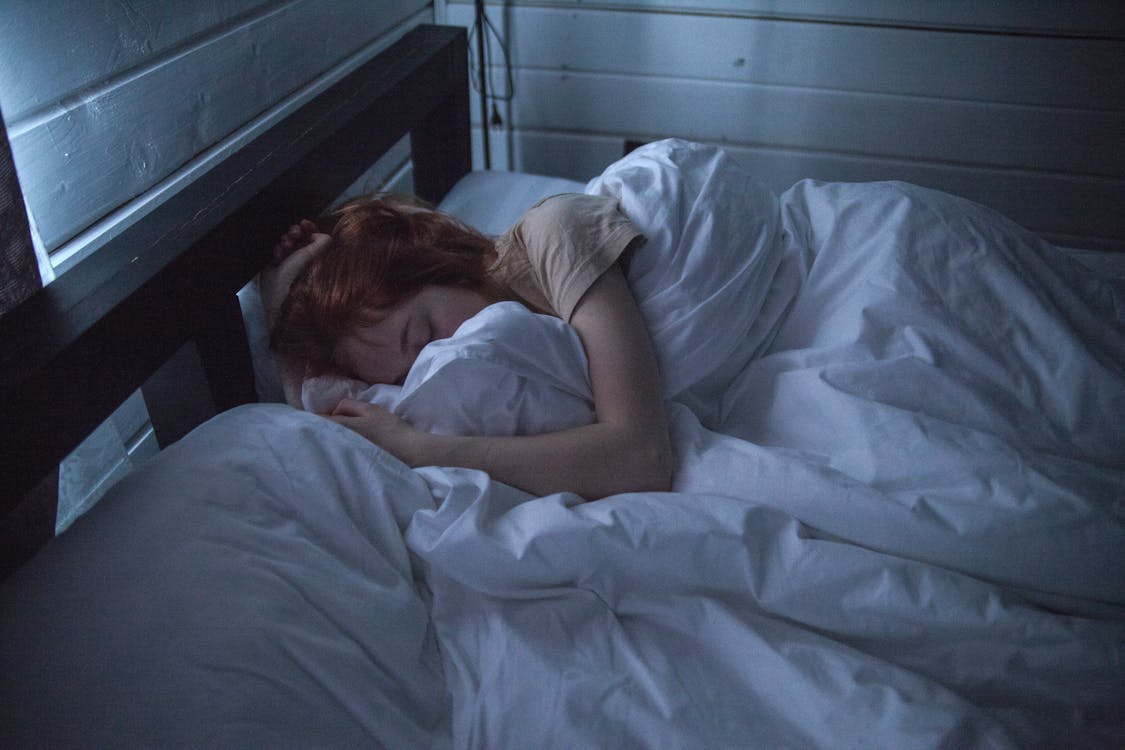
Why Sleep Matters More Than You Think
All of us know exactly how it really feels to get up dazed after a troubled evening, but for some, this feeling is a consistent battle. Rest is more than just a break from the day; it's essential for psychological clearness, physical wellness, and emotional health. When rest top quality experiences evening after night, it can start to affect every edge of your life. One of one of the most frequently forgotten offenders is rest apnea-- a problem that quietly interrupts your remainder and chips away at your health without you even realizing it.
What Is Sleep Apnea and How Does It Work?
Rest apnea is a condition in which your breathing repetitively quits and begins while you're asleep. These pauses can last simply a few secs or stretch to a minute or even more, taking place lots or perhaps thousands of times a night. Your brain detects the absence of oxygen and briefly wakes you up so that normal breathing can resume. Frequently, these awakenings are so brief that you don't remember them. However the outcome is a night of fragmented, poor-quality sleep that leaves you really feeling drained the following day.
There are various kinds of sleep apnea, with one of the most typical being obstructive rest apnea. This occurs when the muscles in the back of your throat fail to keep your respiratory tract open. Central sleep apnea, though less typical, involves the brain falling short to send the right signals to the muscle mass that manage breathing.
Subtle Signs That Point to a Bigger Problem
Among the trickiest things about rest apnea is how simple it is to miss out on. Many individuals think of loud snoring as the major sign, and while snoring is common, it's much from the only warning sign. In fact, some individuals with rest apnea do not snore whatsoever. That's why it's so crucial to focus on the much more subtle signs that your body might be giving you.
Awakening with a dry mouth or sore throat, morning frustrations, and sensation exceedingly drowsy throughout the day are all signals that something might be off. If you find yourself sleeping during work conferences, at the wheel, or even while seeing TV, maybe an indication that your rest is being disrupted regularly than you think.
You may also notice mood adjustments, trouble concentrating, or a short temper. These symptoms are frequently written off as the result of stress or an active schedule, yet persistent sleep deprival caused by rest apnea can take a genuine toll on your mental health.
How It Affects Your Body Beyond Sleep
The consequences of without treatment rest apnea go far beyond daytime sleepiness. Over time, this condition can more here bring about serious wellness problems. Disrupted breathing worries the cardio system and has been connected to high blood pressure, heart problem, stroke, and even type 2 diabetic issues. It can also damage the immune system, making you much more prone to disease and slower to recuperate.
Individuals coping with rest apnea also encounter a greater danger of establishing various other rest problems. Some experience issues that may fall under sleep wake disorder treatment, specifically when their body clock ends up being disrupted from fragmented rest. Others create signs and symptoms that might gain from parasomnia treatment, especially if their interrupted sleep sets off unusual behaviors like sleepwalking or evening horrors. And for those that struggle with too much daytime sleepiness in spite of obtaining what feels like sufficient rest, hypersomnia treatment may be part of the picture.
When to Take Action and What to Expect
So, when should you take that suspicion seriously and speak with a specialist? If any one of the signs described over noise acquainted, it's worth having a discussion with a professional. A rest study-- either at a facility or in the convenience of your home-- can help establish if sleep apnea is the cause of your exhaustion.
Treatment alternatives vary based upon the seriousness of the problem. Some people gain from way of life adjustments, such as losing weight or changing rest settings. Others might require more organized interventions, such as oral devices or continuous favorable airway pressure (CPAP) treatment to maintain the airway open during rest. It's not a one-size-fits-all situation, and discovering the appropriate solution can substantially boost lifestyle.
The Emotional Side of Sleep Apnea
There's also an emotional weight that usually comes with sleep conditions. Really feeling frequently tired and out of sync with your day can result in stress, embarrassment, and even depression. It's typical to feel isolated or misinterpreted, particularly when others do not comprehend the unseen toll that inadequate rest can take.
Assistance plays a critical duty in the trip to far better remainder. Speaking freely regarding your sleep issues can help normalize the discussion and urge others to look for assistance as well. If a partner has actually seen your snoring or constant thrashing, that insight could be an important clue. Occasionally, it's the monitorings of others that radiate a light on a problem you might not have actually acknowledged on your own.
Recovering Control Over Your Nights
The concept of having a sleep problem may feel frightening initially, but identifying the indications is the first and most effective step. Dealing with neglected sleep apnea does not need to be your norm. With understanding, the right treatment, and a little persistence, restful sleep is definitely feasible.
Healthy sleep is fundamental to seeming like your ideal self. If you're experiencing inexplicable tiredness, frustrations, mood changes, or any other signs that something isn't quite right, count on that your body is sending you a message. Getting interested regarding your sleep health could be the turning point that transforms just how you move with your days.
Stay tuned to the blog for more insights, ideas, and assistance regarding exactly how to improve your sleep and take far better treatment of your well-being.